Dbs101_flippedclass2
Topic : Entity Relationship Diagram
In this flipped class 2 I learned about ERD(Entity Relationship Diagram). ERD represents the overall logical structure of a database. The component of an ERD are entity, attribute and relationship.
Entity
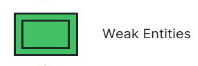
Entity can be either a living or non-living component and it is illustrated with an rectangle shape. For example both the student and the programme are entities. 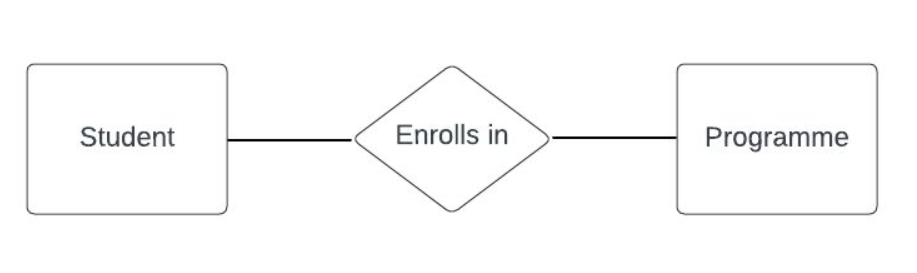 An entity that makes reliance over another entity is called a weak entity. Weak entity is represented with an double rectangle.
Attribute
An attributes are discriptive properties possessed by each entity. It is illustrated with an oval shape. For example Teacher_name,Course_ID and Course_name are attributes. 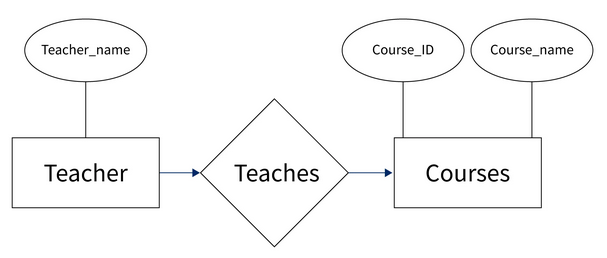
There are different type of attributes.
Key Attribute
Key attribute uniquely identifies an entity from an entity set. For example:For a student entity, Student_ID can uniquely identify a student from a set of students.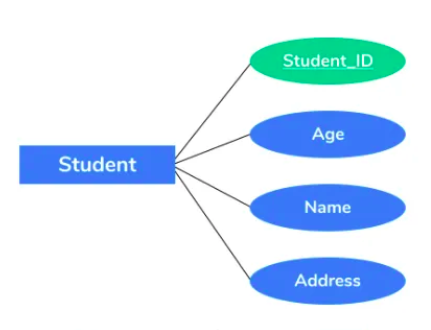
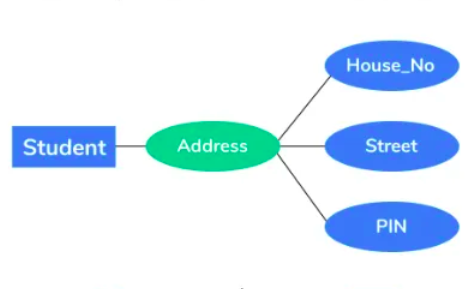
Composite attribute An attribute that is comoposed of several other attributes is known as a composite attribute.
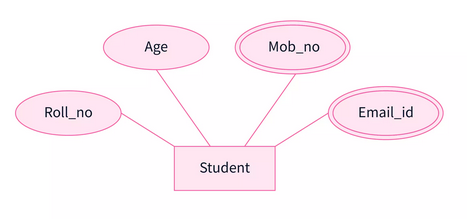
- Multivalued attribute An attribute that can have more than one value are called multivalued attributes. The double oval shape is used to represent a multivalued attribute. For example student may have more than one mobile number and email id.
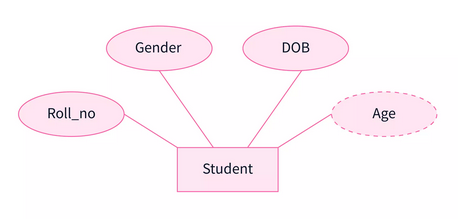
- Derived attribute An attribute that can be derived from other attribute of the entity is known as a derived attribute and it is represented by the dashed oval. For example, an age attribute can be derive from a date of birth attribute, therefore age attribute is a derived attribute.
Relationship
It depicts the relationship between two entities and it is represented with a diamond shape. Relationships are usually verbs such as assign, associate, or track and provide useful information that could not be discerned with just the entity types. Relationship can be one-to-one, one-to-many, many-to-one and many-to-many. 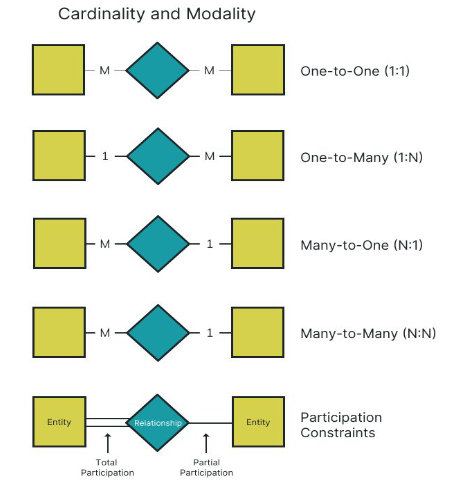
During the flipped class, we are instructed to draw an ERD for our proposed system. I really enjoyed working in a team with my group mates Tshering Wangpo Dorji, Tshewang Dorji and Yonten Kinley Tenzin. We were group number 6 and our proposed system is voter registration. 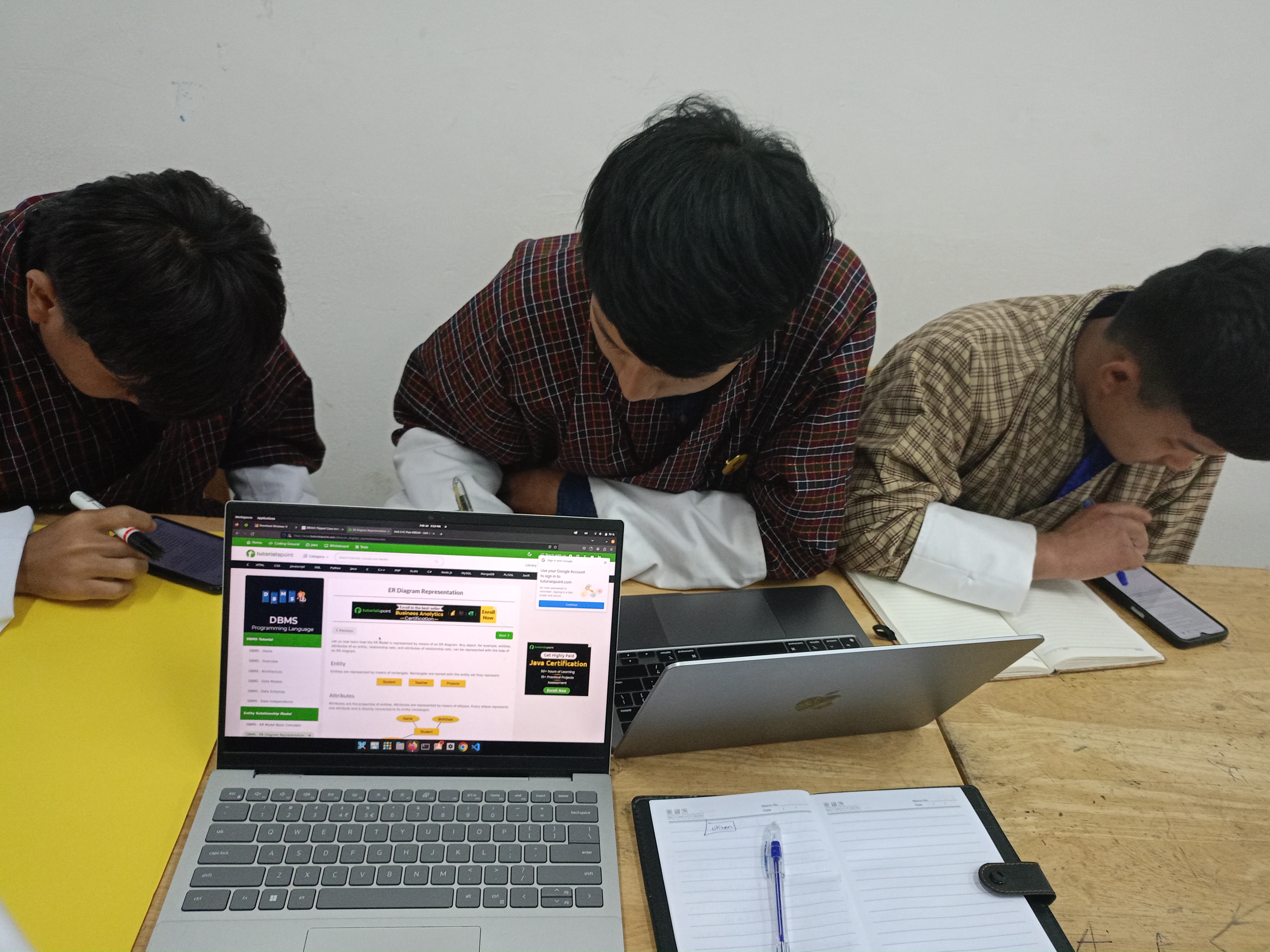
We shared our opinions and our knowledge on how to draw an ERD, then came to a one final solution. That final solution was written in the chart paper. This is the ERD for the voter registration that we drew. 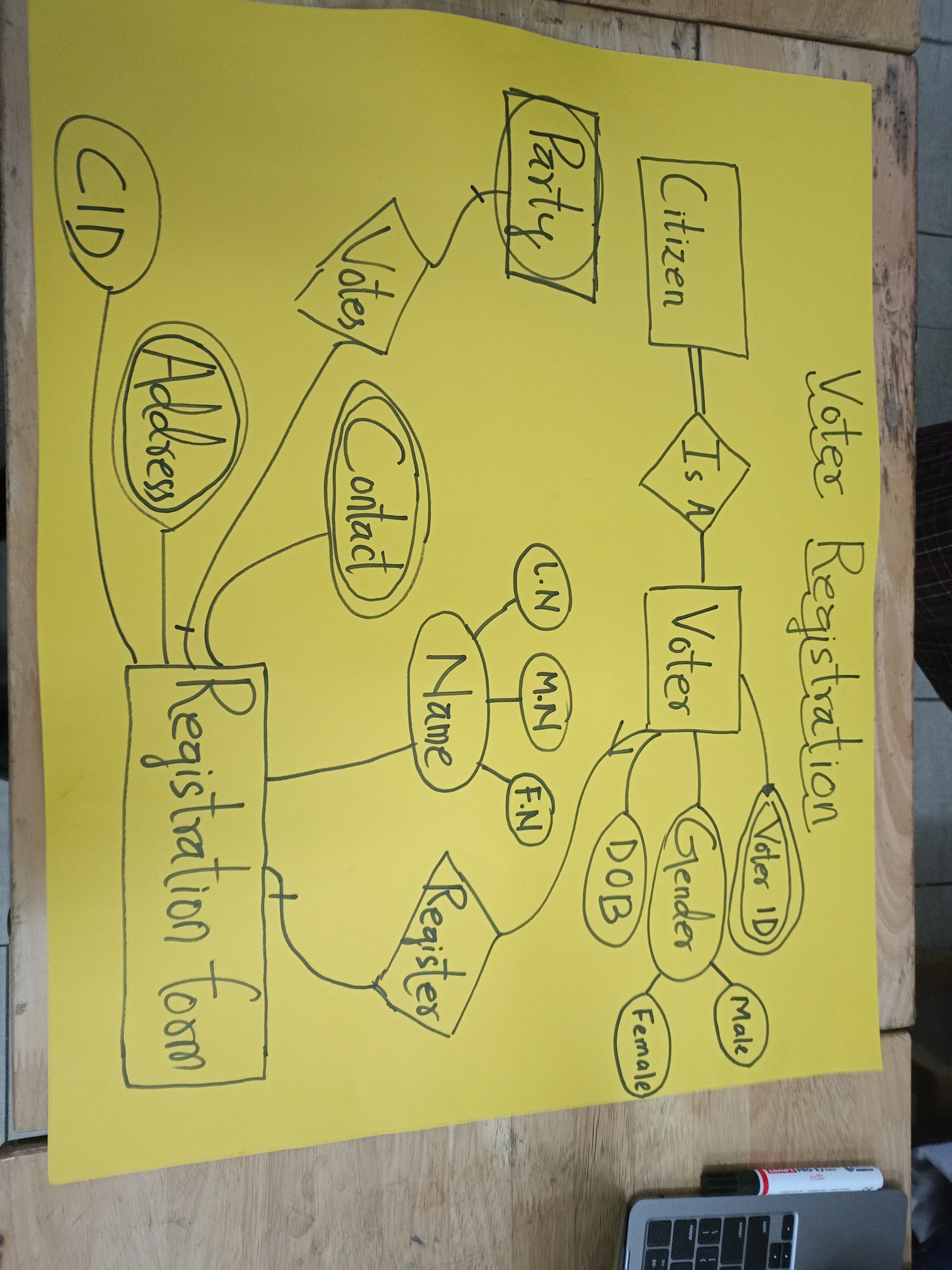
Than we explained our ERD to the class and we had a question and answer session to clear their doubts. Our tutor made the necessary correction in our diagram.